

CREATIVITY
EXPERTISE
Lighting Design for Independent Living
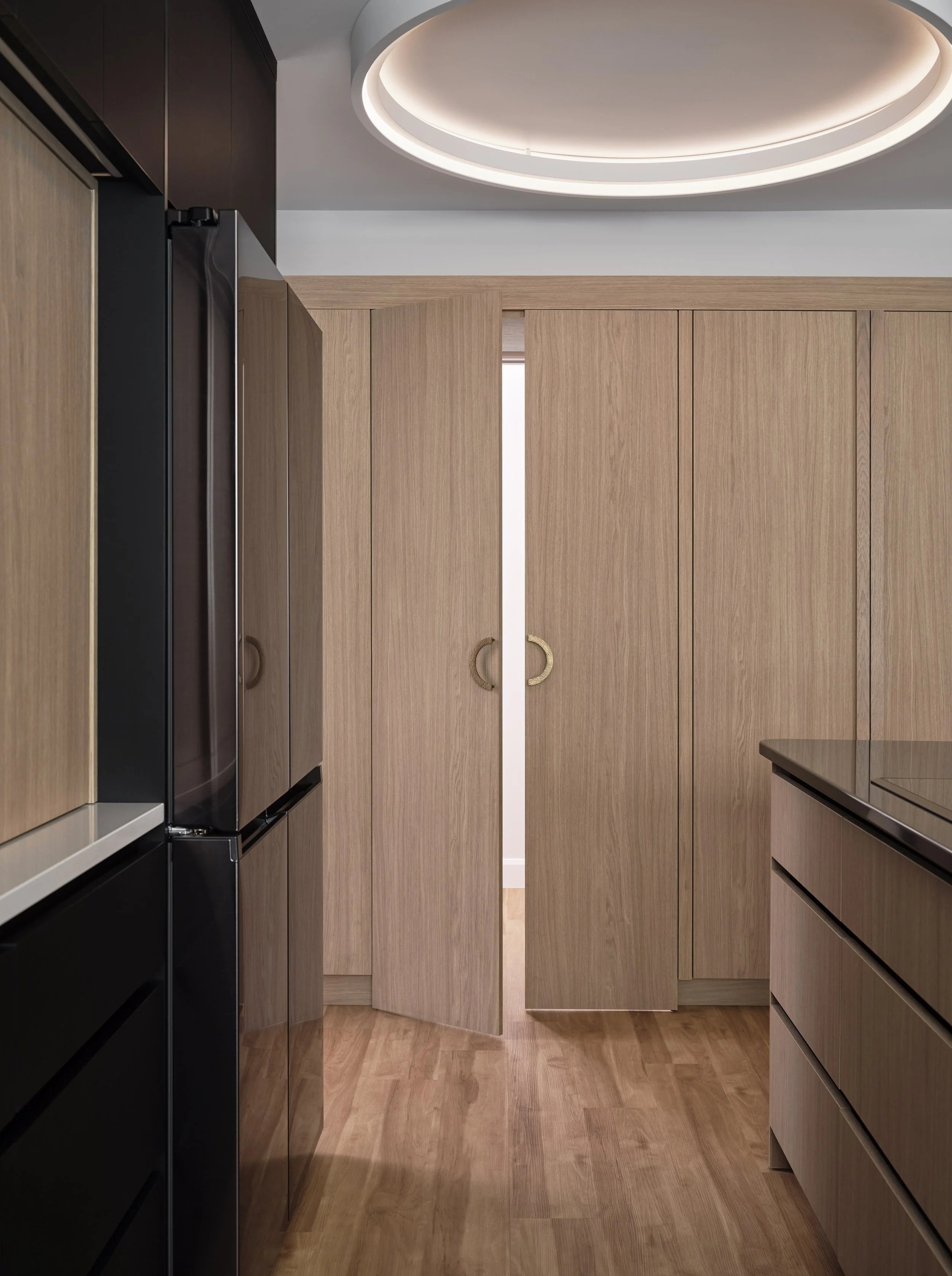
Lighting plays a critical role in how safely, comfortably, and independently we live in our homes.
Yet it is often treated as a decorative layer added later, or chosen without considering how bodies, eyes, and energy levels change over time.
At Floe Studio, lighting design is approached as infrastructure: a foundational system that supports daily life now and into the future.
Why lighting matters more than most people realize
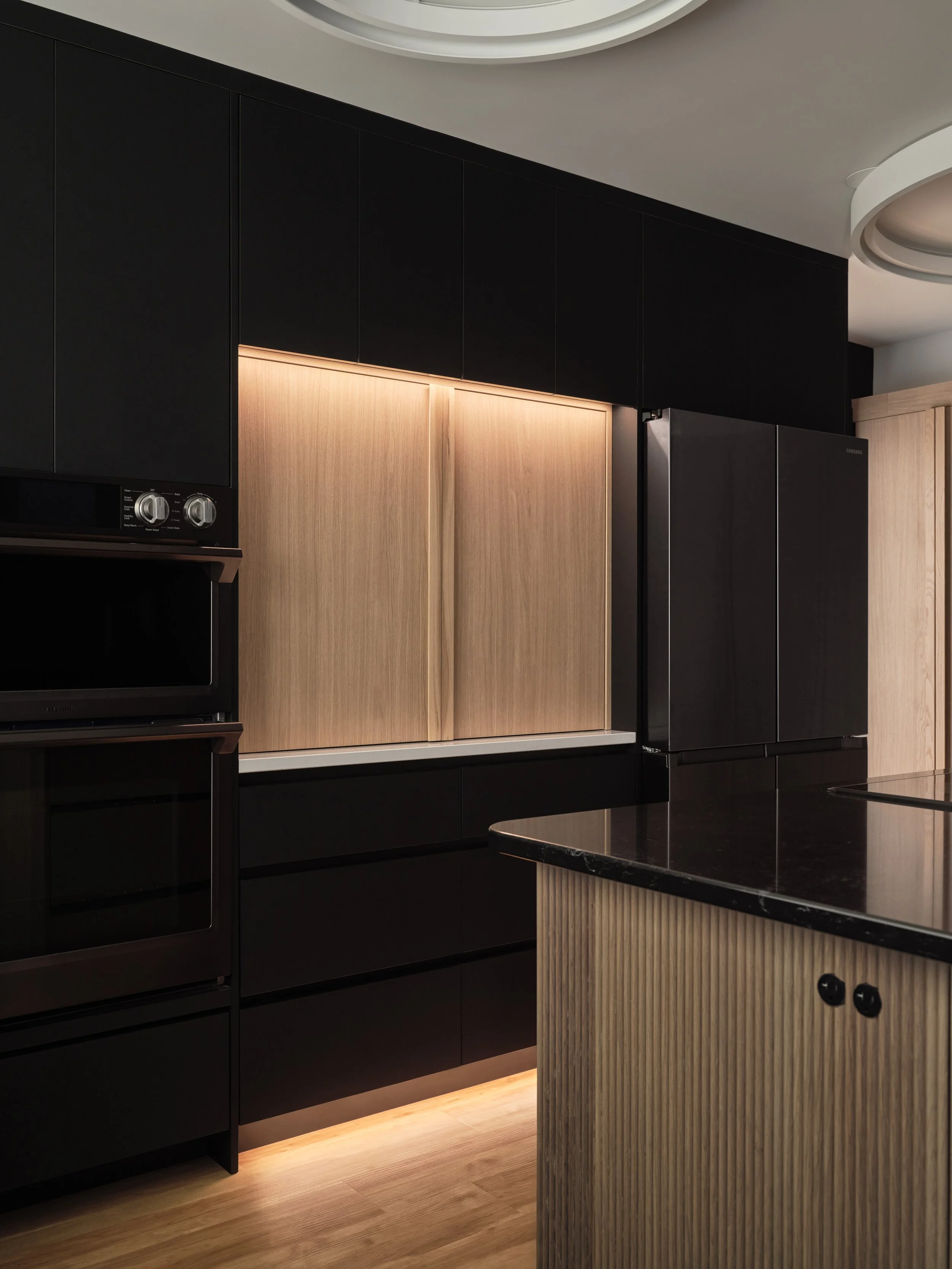
Well designed lighting can:
reduce falls and missteps
support aging eyes and declining contrast sensitivity
reduce glare, headaches, and visual fatigue
improve orientation and wayfinding within the home
support circadian rhythm and energy regulation
make spaces feel calm, legible, and usable throughout the day
Poor lighting does the opposite often quietly and cumulatively.
Independent living depends on seeing clearly without effort. Lighting is one of the most effective ways to support that.
Designed for real bodies and real lives
Lighting for independent living considers how people actually move through and use their homes, including:
reduced night vision
slower light adaptation
sensitivity to glare
neurodivergent sensory processing
chronic pain or fatigue
changing mobility and balance
This is not about adding more light.
It is about placing the right light, at the right level, in the right way.

What makes this approach different
Most residential lighting plans focus on fixture selection and visual effect.
Floe Studio’s lighting design focuses on:
visual comfort, not brightness
consistency, not contrast for contrast’s sake
layering, rather than single-source lighting
daylight integration, not competition with windows
controls that make sense, especially in moments of fatigue or stress
Lighting decisions are made early, alongside layout and circulation—not after construction has begun.
Key considerations in lighting for independent living
Glare control
Glare is one of the most common and overlooked issues in residential lighting.
It can cause eye strain, headaches, disorientation, and avoidance of certain spaces.
We address glare through:
indirect lighting strategies
thoughtful fixture placement
surface reflectance awareness
appropriate colour temperatures
Layered lighting
Independent living relies on multiple types of light working together:
ambient lighting for general visibility
task lighting for specific activities
low-level lighting for nighttime movement
Each layer has a purpose. Removing one often increases risk or effort elsewhere.
Aging eyes
As we age, we need more light—but not harsher light.
Lighting is designed to:
increase usable illumination
maintain contrast where needed
avoid excessive brightness or sharp shadows
This supports reading, cooking, navigating stairs, and everyday tasks without strain.
Daylight and orientation
Natural light is powerful, but unmanaged daylight can create glare, overheating, and visual discomfort.
Lighting design accounts for:
window orientation
seasonal light changes
transitions between day and night
spaces that feel disorienting at certain times
The goal is balance, not dominance.
Controls that reduce effort
Lighting controls should be intuitive and forgiving.
Design includes consideration of:
switch location and reach
grouping and zoning
dimming behaviour
night-time navigation lighting
future adaptability
Complex systems are not helpful if they increase cognitive load.
When lighting design has the greatest impact
Lighting design for independent living is especially valuable when:
renovating a home with long-term occupancy in mind
planning an aging-in-place strategy
managing an invisible disability or chronic condition
supporting multigenerational living
reworking circulation, stairs, or bathrooms
reducing fall risk without making the home feel institutional
How we work
Lighting design can be provided as:
a standalone consultation, or
an integrated part of a broader renovation plan
The process is measured and practical, focused on:
understanding how you use your home
identifying problem areas
planning improvements that fit your budget and timeline
avoiding unnecessary complexity
Recommendations are clear, prioritized, and designed to be implemented over time if needed.
Lighting that supports independence
Good lighting should:
quietly support daily routines
reduce effort rather than demand attention
adapt as needs change
make a home feel calm and navigable
That is the role lighting plays at Floe Studio.
Our Process
-

Plan with Purpose
Together, we outline a path forward that’s realistic, strategic, and tailored to your specific needs.
-

Collaborate Openly
You’re part of the process. We keep communication open and decisions shared—no black boxes or surprises.
-

Adapt as Needed
Every project is different. We stay flexible and responsive to make sure the process fits your flow—not the other way around.
-

Deliver with Confidence
When we deliver, it’s not just a finished product—it’s a solution you can trust, backed by real care and effort.