

Aging-in-Place & Universal Design Strategy
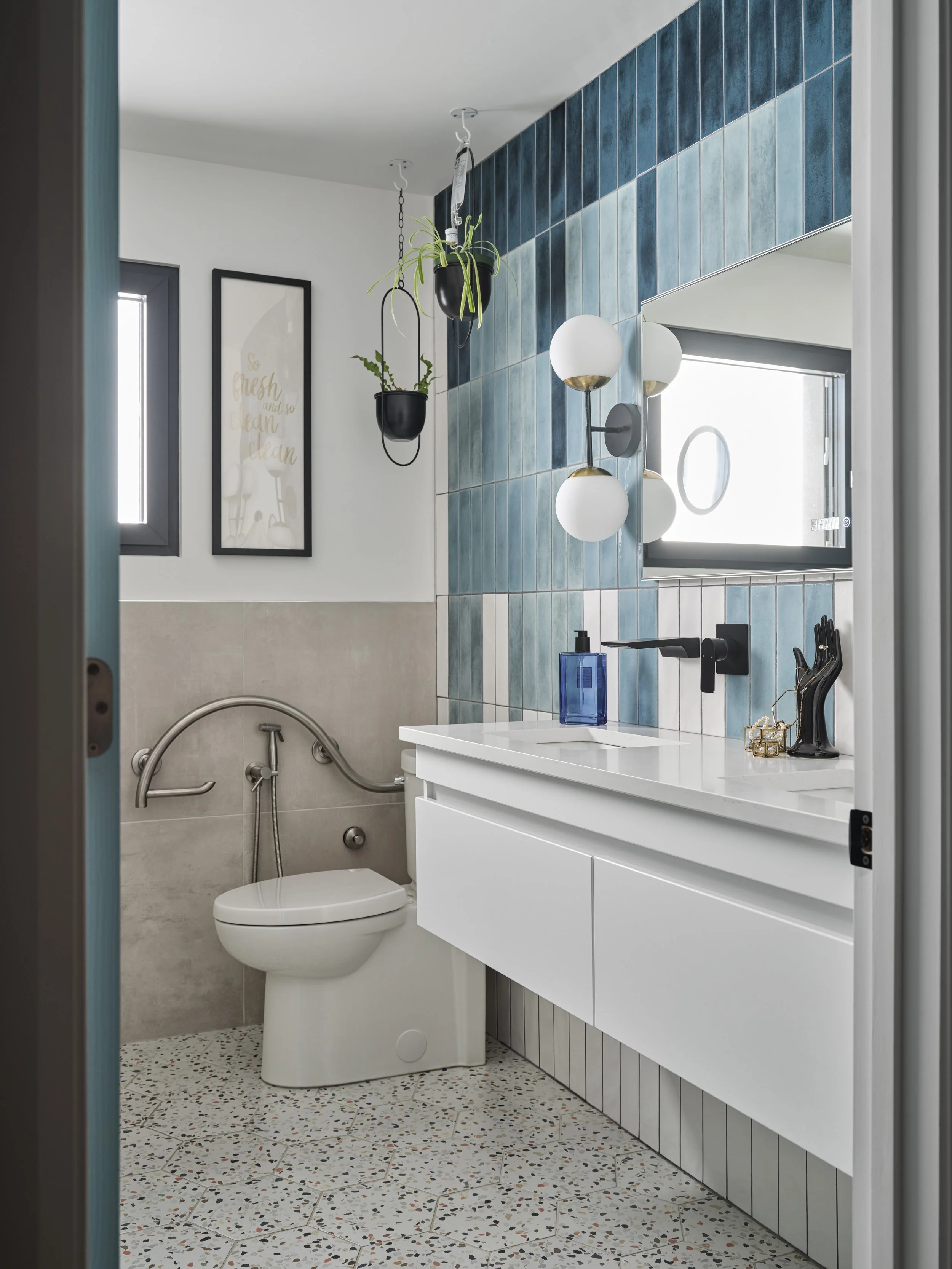
Many people know they want to plan ahead.
Fewer know what that planning should actually involve, and how to navigate construction in Ottawa.
Aging-in-place and universal design are not about predicting decline or over-designing for a future that may never arrive. They are about making thoughtful decisions early, so a home continues to support independence, comfort, and dignity over time.
At Floe Studio, this work begins with strategy—before construction, before finishes, and before costly assumptions are made.
What aging-in-place really means
Aging-in-place is often misunderstood as designing for old age.
In practice, it means:
reducing unnecessary effort in daily life
making spaces easier to navigate and understand
allowing a home to adapt as needs change
supporting independence for as long as possible
Good aging-in-place design does not announce itself. It is embedded quietly in layout, lighting, circulation, and decision-making.
Universal design supports this approach by creating environments that work well for many people, across many stages of life, without relying on special add-ons or visible accommodations.
Common misconceptions
“Aging-in-place design looks institutional”
Thoughtful universal design is subtle.
When done well, it looks like good architecture—not medical equipment.
“We’ll deal with that later if we need to”
Later often means:
limited options
higher costs
rushed decisions under stress
Early planning preserves choice.
“It’s only for seniors”
Universal design benefits:
people with invisible disabilities
caregivers
families with changing needs
anyone recovering from injury or illness
anyone who wants their home to remain usable long-term
“It means adding everything now”
Strategy is about sequencing, not doing everything at once.
Why early decisions matter
The most impactful aging-in-place decisions are structural and spatial. They are difficult—or expensive—to change later.
Early planning influences:
circulation widths and turning space
stair and bathroom layouts
lighting strategy
outlet and switch placement
floor transitions and thresholds
future adaptability of rooms
When these decisions are made early, they often cost little or nothing extra. When they’re missed, the cost is usually paid later; in money, energy, or independence.
Invisible supports: design that works quietly
The most effective supports are often the least visible.
Examples include:
zero-threshold entries that look intentional
lighting that reduces glare and visual fatigue
intuitive circulation that reduces disorientation
bathrooms planned for future flexibility without appearing modified
well-placed storage that reduces reaching and strain
material choices that improve safety and maintenance
These elements don’t change how a home looks at first glance. They change how it feels to live in, especially over time.
Strategy before solutions
This work is not about applying a checklist.
An aging-in-place and universal design strategy considers:
how you use your home today
what feels difficult or tiring
what may reasonably change over time
which decisions matter most now
which can be planned for later
The goal is clarity—not perfection.
How this work fits into a renovation
This strategy can be:
a standalone engagement to guide future decisions, or
integrated into a larger renovation or phased plan
Many clients use this work to:
prioritize scope
reduce overwhelm
avoid rework
plan renovations in manageable stages
It is especially valuable when:
renovating a long-term home
planning for caregiving or multigenerational living
navigating an invisible disability or chronic condition
balancing budget, timing, and energy limits
Planning for independence, thoughtfully
A well-designed home should:
support independence without calling attention to it
reduce effort rather than demand it
adapt quietly as life changes
feel calm, legible, and grounded
That is the purpose of aging-in-place and universal design strategy at Floe Studio.